Public Speaking Exercises: Boost Your Confidence and Skills at Home
Public speaking is something many people find scary. Even experienced speakers get nervous before a speech. But the truth is, speaking nicely is a skill you learn, and one of the great way to improve is through public speaking exercises. These exercises help you gain confidence, improve your voice and body language, and make your messages clear and engaging. In this blog, I will share simple, practical ways to practice public speaking at home. I will also share exercises that have worked for me and tips to make your home practice effective. By the end, you’ll have a complete guide to start your public speaking journey without leaving your home.
Why Public Speaking Exercises Matter
I used to be very nervous when speaking in front of people. My voice would shake, and I would forget words. But once I started doing public speaking exercises regularly, everything changed. These exercises are important because public speaking is not about saying words—it’s about connecting with your audience. When you practice, you learn how to organize your ideas, speak clearly, and use gestures to make your speech more interesting.
Some of the main benefits of public speaking exercises are:
- Confidence: The more you practice, the less nervous you feel.
- Clarity: Exercises help you speak clearly and avoid mumbling.
- Voice control: You learn to use your voice effectively, changing tone, speed, and volume when needed.
- Body language: You develop gestures, posture, and facial expressions that support your words.
- Audience connection: You learn how to engage listeners and keep their attention.
Even a few minutes a day can make a big difference. which is why I think starting from small and being consistent can help you improve a lot.
How to Practice Public Speaking at Home
You don’t need a stage or audience to practice public speaking at Home simple practice can be very effective if you do it the right way. Here are some tips on how to practice public speaking at home:
1. Record Yourself
I found that practicing in front of a mirror was one thing that truly helped. I simply spoke as though someone was paying attention while silently observing my posture, movements, and facial expressions. I didn’t notice much at first, but after a few attempts, I noticed minor habits like excessive leaning or fidgeting. Although it was a little uncomfortable at first, it has since become one of my favorite methods for getting better. I typically begin with a brief introduction of one minute and work my way up from there.
2. Mirror Practice
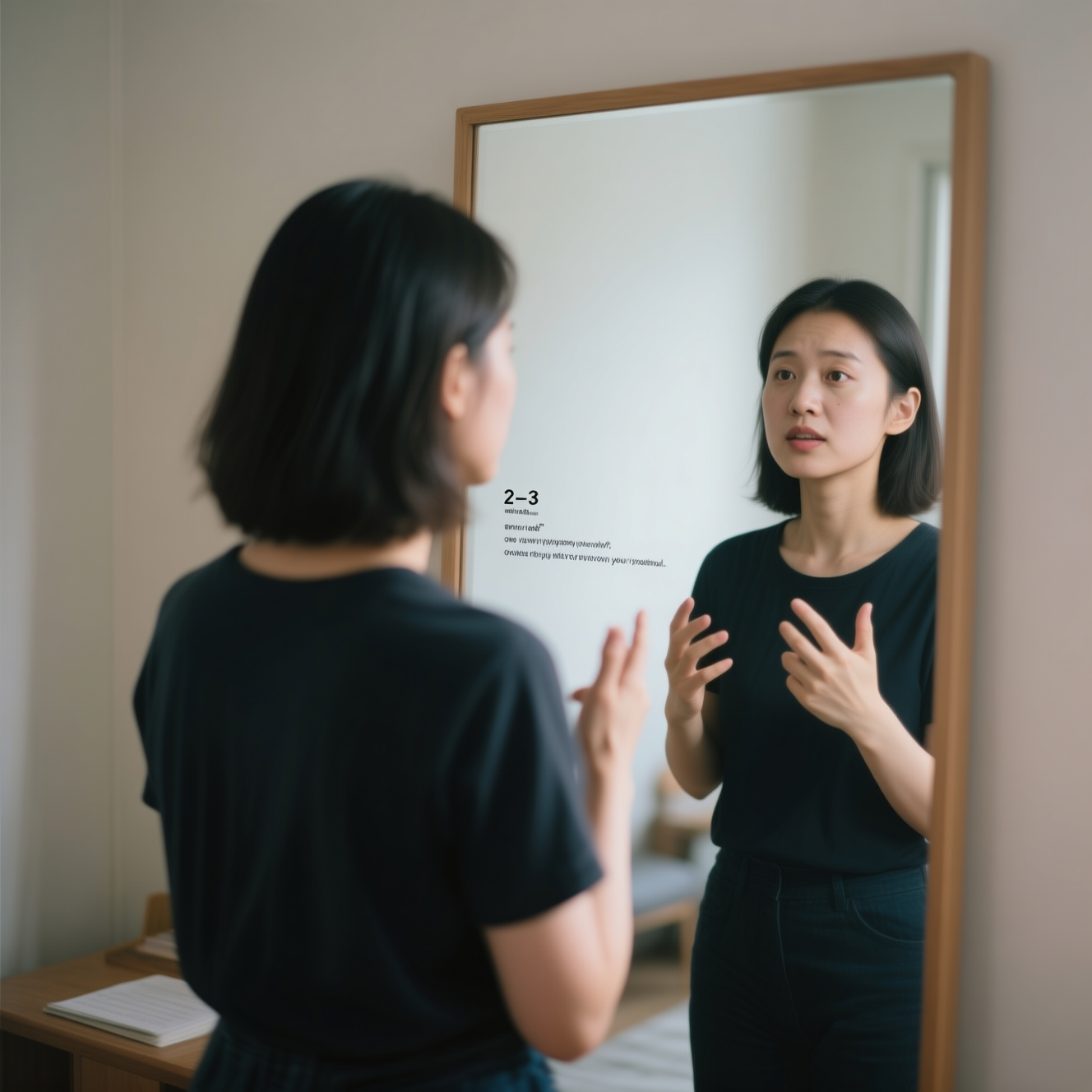
I found that practicing in front of a mirror was one thing that truly helped. I simply spoke as though someone was paying attention while silently observing my posture, movements, and facial expressions. I didn’t notice much at first, but after a few attempts, I noticed minor habits like excessive leaning or fidgeting. Although it was a little uncomfortable at first, it has since become one of my favorite methods for getting better. I typically begin with a brief introduction of one minute and work my way up from there.
3. Read Aloud
One of the easiest ways to work on your pronunciation and voice is to read aloud. Every day, read aloud from a book, newspaper, or web article. Make an effort to speak clearly, change up your tone, and pause when necessary. Although it might feel odd at first, it improves speaking.
4. Practice with Timers
Give yourself a time limit to talk about a topic by setting a timer. This teaches you to speak clearly and concisely. Choose a topic, such as “My Favorite Hobby,” and attempt to talk about it continuously for two minutes. Additionally, timed practice gets you ready for presentations, interviews, and meetings in the real world.
5. Voice and Breathing Exercises
Breathing correctly is very important for public speaking. Try taking deep breaths from your diaphragm and speaking while exhaling slowly. Do voice exercises like humming or reading tongue twisters. These exercises make your voice strong, clear, and pleasant to listen to.
Home-Based Exercises That Really Work
I discovered that not all exercises are created equal when I began practicing at home. In a matter of weeks, some had a significant impact. I highly recommend doing the following at-home public speaking exercises:
Pause and Emphasize
Take a short sentence and practice pausing at the right places. This makes your speech more dramatic and easier to follow. For example, instead of saying “I love reading books because they are fun,” try pausing: “I love reading books… because… they are fun.” Small pauses can have a big impact.
Gesture Drills
While speaking, add hand gestures to emphasize your points. Don’t overdo it; simple gestures can make your speech lively. At home, I used to practice pointing, opening my palms, or moving my hands while talking. Watching yourself in the mirror helps you a lot.
Storytelling Practice
Narrating a story is one of the best ways to practice speaking naturally. Pick a personal experience or a short story, and tell it with a clear beginning, middle, and end. Focus on making it engaging. When I shared stories with friends or family at home, I relaized getting better at holding their attention and speaking confidently.
Feedback Sessions
Even if you don’t have a large audience, ask family or friends to listen and give feedback. They can point out unclear words, nervous habits, or parts where you could improve. Feedback helps you grow faster than practicing alone.
Daily Routine for Home Practice
Consistency is key to improvement. Here’s a simple daily routine I followed:
- 5 minutes – Warm-up with voice and breathing exercises.
- 10 minutes – Read aloud from a book or article.
- 10 minutes – Record a short speech and review it.
- 5 minutes – Practice gestures and pauses in front of a mirror.
- 5 minutes – Reflect on your practice and note areas to improve.
Just 35 minutes a day can bring changes in a few weeks. The important thing is to practice regularly.
Tips for Effective Home Practice
Here are some extra tips to make your public speaking practice at home more effective:
- Start small: Don’t overwhelm yourself with long speeches. Short, focused sessions work better.
- Be consistent: Daily practice is more helpful than long practice sometimes.
- Simulate real situations: Pretend you are speaking to an audience or you are in a meeting.
- Focus on one skill at a time: One day, work on gestures; another day, focus on voice tone.
- Celebrate progress: Notice small improvements and reward yourself.
By following these tips, you can improve quickly and feel more confident in any speaking situation.
If you want to take your public speaking beyond home exercises, joining a structured public speaking course can make a huge difference. That’s where Sugam Academy comes in. Their programs are designed to help you build confidence, improve your voice, and master presentation skills with expert guidance. I’ve seen many people transform their speaking abilities there, and it’s hands down one of the best places to grow as a speaker. Home practice is great, but having mentors, feedback, and a supportive environment like Sugam Academy can really accelerate your progress.
Conclusion
Public speaking exercises are a simple but powerful way to become a confident speaker. With daily home practice, you can improve your voice, gestures, confidence, and overall delivery. Start with small exercises like mirror practice, reading aloud, recording yourself, and storytelling. Over time, you will see real improvement. Remember, public speaking is a skill that anyone can learn with consistent practice, patience, and dedication. By making it a part of your daily routine, you can speak confidently, connect with your audience, and make your messages clear and impactful.
FAQs
1. How can I practice public speaking at home effectively?
Practice in front of a mirror, record yourself, read aloud, and do timed speeches. Focus on one skill at a time for best results.
2. What are some simple exercises for public speaking at home?
Try pause and emphasize, gesture drills, storytelling, and voice exercises daily.
3. How long should I practice each day?
Even 30–40 minutes daily can make a difference. Start small and gradually increase.
4. Can I improve confidence without a real audience?
Yes. Mirror practice, recordings, and feedback from family or friends can help you build confidence at home.
5. Do storytelling exercises help in public speaking?
Absolutely. Storytelling improves engagement, clarity, and confidence while speaking naturally.
6. Can home exercises really replace professional training?
Home exercises are very effective for practice, but combining them with courses or workshops can accelerate growth and give expert guidance.